Why the Axolotl Keeps Its Feathery Gills
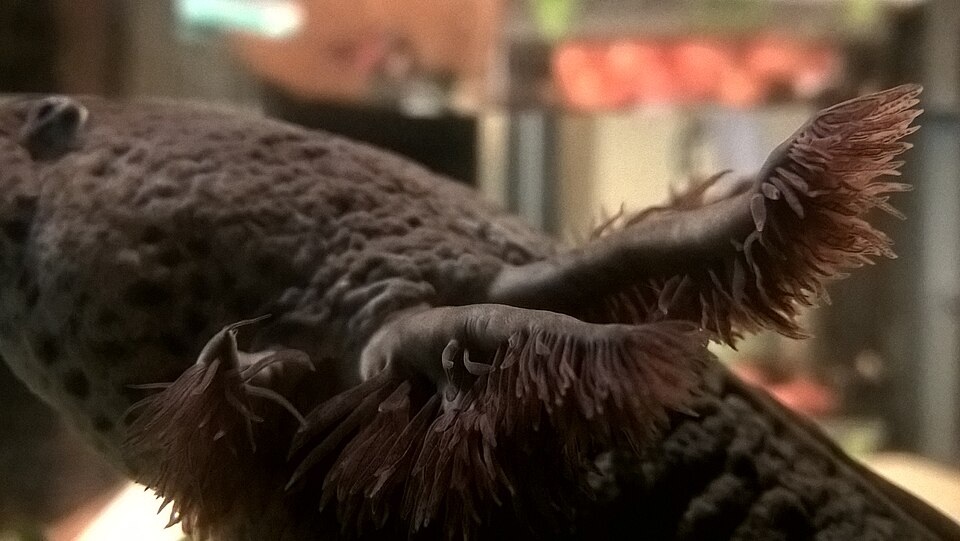
Those feathers framing an axolotl's head are gills. Unlike many salamanders, an axolotl can reach adulthood while keeping features that its relatives usually lose when they leave the water.
Adult, with its original equipment
Biologists call this retention of juvenile traits neoteny. The axolotl stays aquatic and keeps its tail fin and external gills. It also develops functional lungs. The gills are the prominent structures you can see in the photograph, behind the head on either side.
Where the wild ones live
The species is native to Mexico's Central Valley. Its remaining wild habitat is fragmented around southern Mexico City, including the Xochimilco canal system. Conservation work there includes creating refuges with better water quality and keeping introduced fish out of those protected areas.

