A Rotary Phone Made You Earn Every Wrong Number
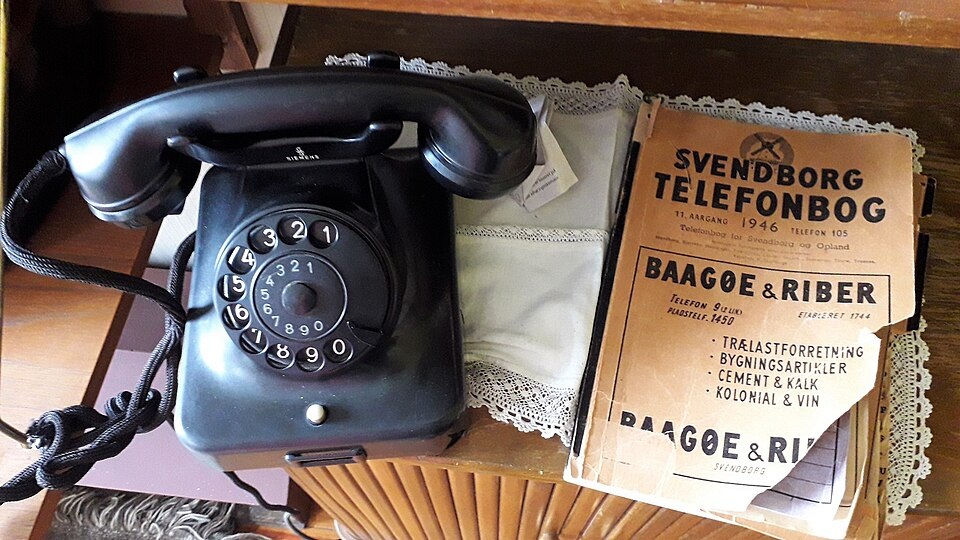
Dialing a number on a rotary phone gave you a few seconds to think about your choices. If the last digit was wrong, you knew exactly how many more circles your finger was about to make. The payoff was hearing somebody's parent answer first.
What happened inside the dial
Turning and releasing the dial sent pulses down the telephone line as the mechanism returned. The exchange used those pulses to interpret the digit. That return movement is why the phone did not let you race ahead and press the next number. The line needed the dial to finish speaking first.
What we outsourced to the contact list
People kept numbers in a phone book, on a list beside the phone, or in their heads. When a number mattered enough, you remembered the cadence of dialing it. Try making a short list of the numbers you'd want if your phone battery died. If you remember one from childhood before the one you need now, you already understand why the old arrangement worked.

