The Game Boy Had One Accessory Every Kid Wanted: A Lamp
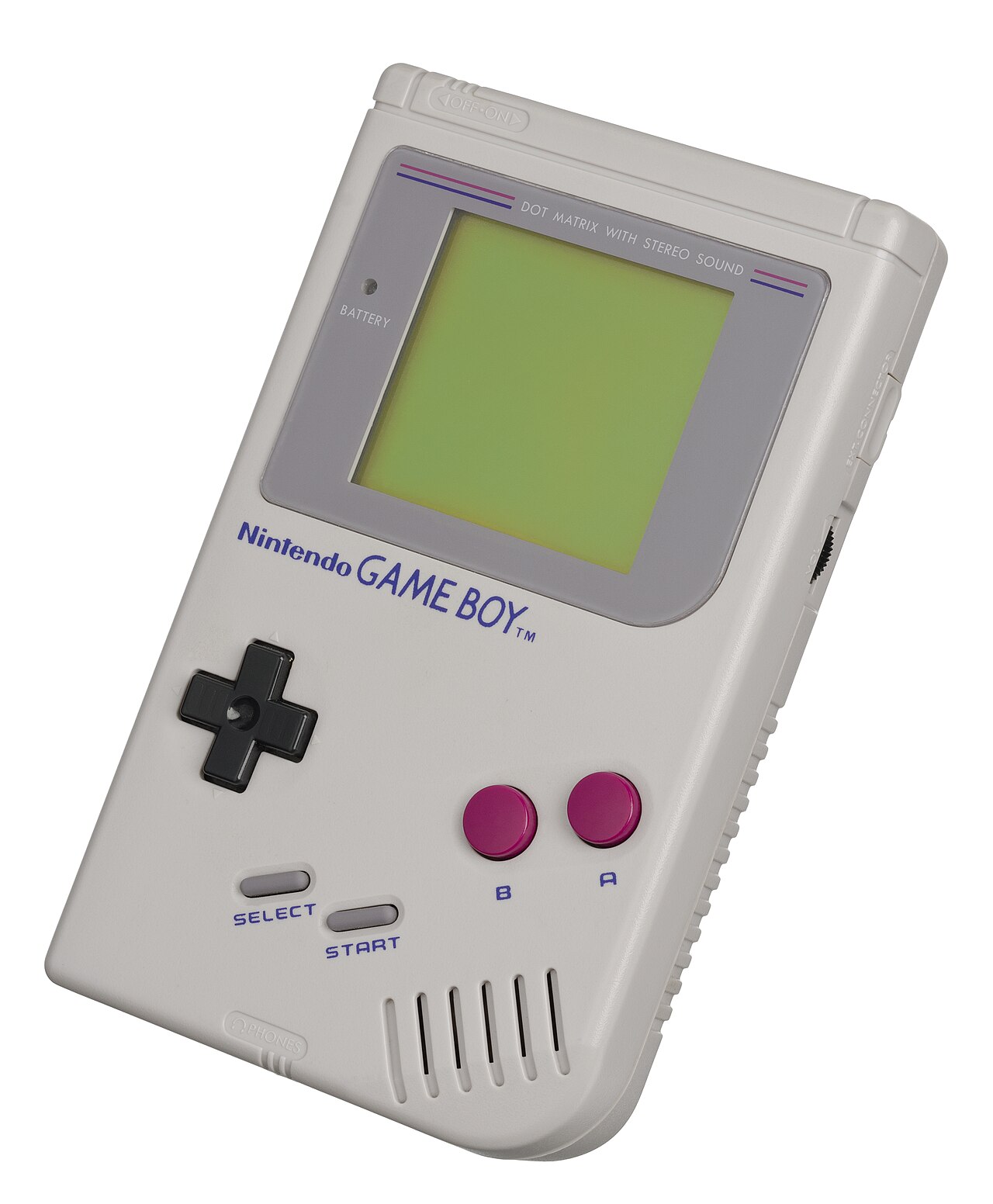
Playing a Game Boy in the back seat at night meant following a rhythm. Streetlight. Move. Darkness. Wait. Another streetlight. By the time you could see the screen again your Tetris piece had made several decisions without you.
Why the car window mattered
Nintendo introduced the Game Boy in 1989. Its original screen had no built-in backlight, so the picture depended on light reaching the display from outside. By daylight, that made the machine easy to take outdoors. At night, it mattered where you sat, which direction the screen faced and whether the person driving would let you turn on the interior light.
The screen is usually pictured in two colors in people’s memories, but what sticks with me is the angle. Tilt it one way and the display is clear. Tilt it another and you can see yourself squinting. A modern handheld lets you raise the brightness. The old one made you negotiate with a lamp.
What made it worth the trouble
Tetris was well suited to a handheld. You could explain the goal in one sentence and start a game almost anywhere. The game took advantage of the buttons you had and didn’t need a huge screen to make every mistake obvious. You lost, you tried again, and suddenly the car trip wasn’t long enough.
When people talk about missing the Game Boy, I wonder how much they miss the hardware and how much they miss having one game command their full attention. Probably both. I don’t miss asking the driver to find a better-lit road.

